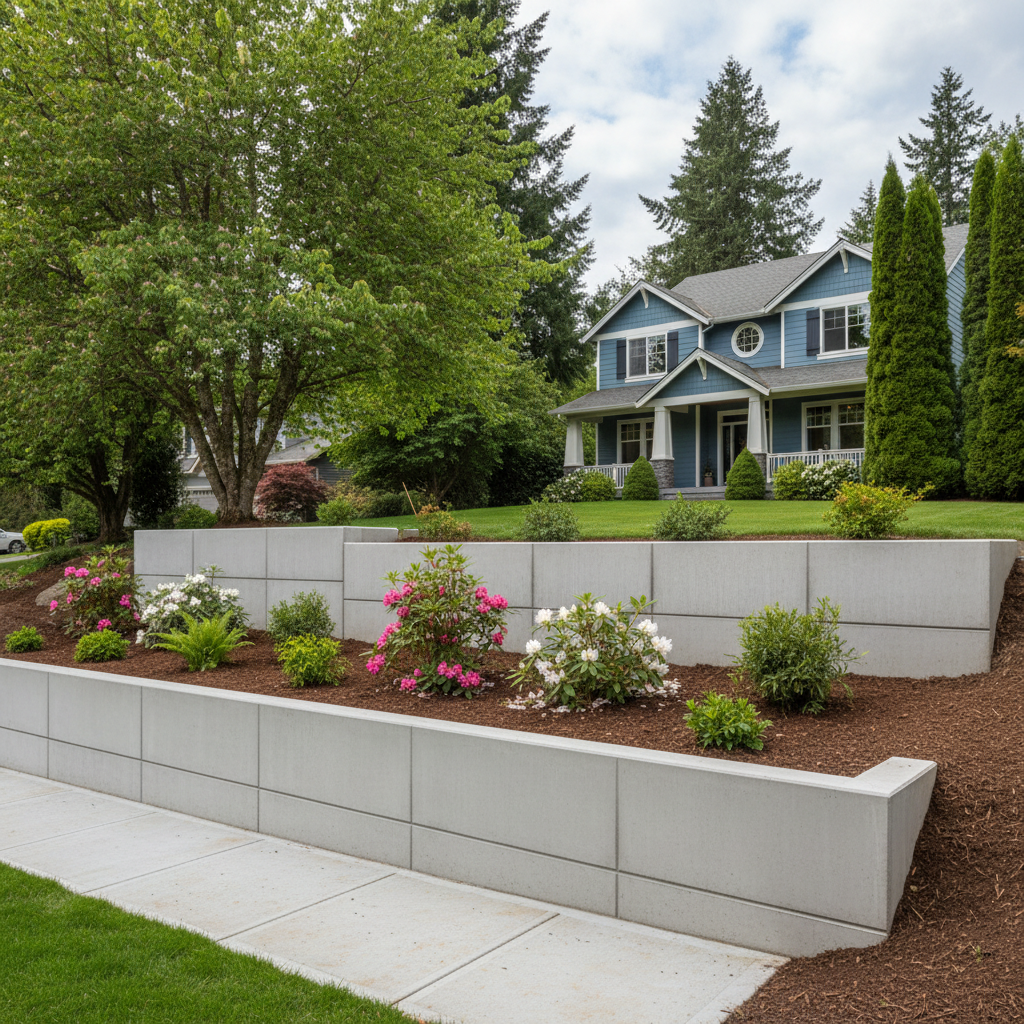
Looking to get some concrete work done around your Kirkland home? Maybe a new patio, a driveway repair, or some foundation work? It's not always easy figuring out who to hire. There are a lot of folks out there, and frankly, not all of them are good. I’ve been doing this a long time, and I’ve seen the good, the bad, and the downright ugly. Here's my honest take on how to find a contractor who'll do the job right.
What Questions Should You Be Asking?
When you're talking to a potential concrete contractor, don't be shy. You're about to spend a good chunk of change, so make sure they can answer these without blinking:
- Can you show me your contractor's license number and proof of insurance? I'm talking general liability and workers' comp. If they hem and haw, that's a huge red flag right there.
- How long have you been in business, specifically doing concrete work? Experience matters, especially with concrete. It's not something you learn overnight.
- Can you provide a few local references? I want to talk to people you've actually done work for recently, not just your buddy.
- What's your process for site preparation? This is huge. Good concrete starts with good prep. Are they compacting the subgrade? What about rebar or wire mesh? Are they using a vapor barrier if it's an interior slab?
- What kind of concrete mix do you typically use for this type of project? You want to hear about PSI strength, especially for driveways that need to handle weight.
- How do you handle drainage? Water is the enemy of concrete. A good contractor thinks about where the water's going to go.
- What's the timeline for this project, from start to finish? And what happens if there are delays?
- What kind of warranty do you offer on your work? And what does it cover?
These aren't trick questions; they're basic stuff any legitimate concrete pro should be able to answer clearly and confidently.
Reading Between the Lines of a Quote
You'll get quotes that look totally different, and it can be confusing. Here's what to look for:
- Detailed Breakdown: A good quote isn't just one big number. It should break down costs for things like excavation, materials (concrete, rebar, forms), labor, finishing, and disposal. If it's just a lump sum, ask for more detail.
- Specific Materials: It should mention the concrete strength (e.g., 4000 PSI), type of finish (broom, stamped, exposed aggregate), and any additives.
- Scope of Work: Does it clearly describe exactly what they're doing? Is it just pouring, or does it include demolition of old concrete, grading, and site cleanup? Make sure everything you discussed is in writing.
- Payment Schedule: A reputable contractor usually asks for a deposit upfront, maybe 10-30%, then progress payments, and the final payment only when the job is done and you're satisfied. Anyone asking for 50% or more upfront, especially in cash, is a major warning sign.
- Exclusions: What's NOT included? Sometimes things like landscaping repair after the job, or specific permits, might be your responsibility. Make sure you know.
Don't just go with the cheapest bid. A super low price often means they're cutting corners somewhere, and you'll pay for it later.
Red Flags You Can't Ignore
I've seen a few things over the years that should make you run the other way:
- No License or Insurance: This is non-negotiable. If they don't have it, don't even think about it. You're opening yourself up to huge liability if someone gets hurt on your property or if the work is shoddy.
- Cash Only, Please: While some small jobs might be cash, a legitimate business will always accept checks or other traceable payments.
- High Pressure Sales: