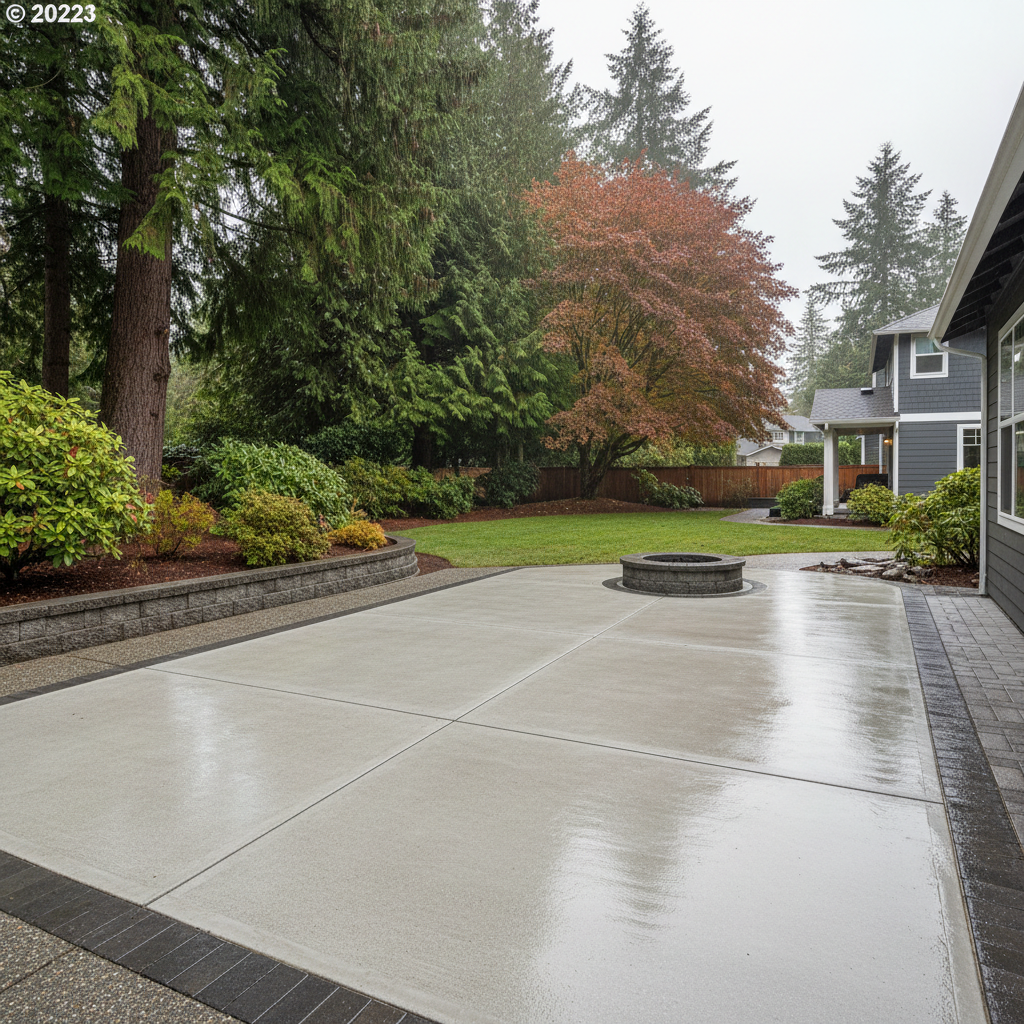
When's the right time to get that new patio or driveway poured? That's a question I hear a lot from folks around Kirkland, and it's a really good one. Our weather here isn't exactly Arizona, is it? Pouring concrete isn't just about getting it done; it's about making sure it lasts. And that means we really need to pay attention to the seasons and what they throw at us.
Kirkland's Climate & Your Concrete: What You Need to Know
Our Pacific Northwest climate, especially right here in Kirkland, is pretty unique. We don't often get those extreme heat waves, but wow, do we get a lot of rain. And those chilly, damp winters? They can be brutal on fresh concrete. The two biggest things we're always watching are temperature and moisture. Concrete needs time to cure correctly, and that whole process is super sensitive to both. If it's too hot, it dries too fast and can crack. Too cold, and it just won't get strong enough. And if it's too wet, you'll end up with a weak, pitted surface.
I've seen plenty of projects go sideways because someone tried to rush things or didn't think about a sudden cold snap or downpour. That's why we're so particular about scheduling and getting the site ready at New Look Concrete Solutions.
The Best Time to Pour: Spring & Early Fall
Honestly, the sweet spot for pouring concrete flatwork around Kirkland is usually late spring through early summer, and then again in early fall. Think May, June, and September. During these months, we typically see more consistent temperatures – not too hot, not too cold – and often a bit less rain than in the middle of winter or those unpredictable shoulder seasons. The ground isn't frozen, and it's usually not soaked from weeks of rain. This lets the concrete cure slowly and evenly, which is exactly what you want for maximum strength and durability.
We look for daytime temperatures that stay consistently above 40-50 degrees Fahrenheit. Nighttime temps shouldn't dip too far below freezing, either. If it's going to be really cold, we might use special additives or blankets to keep the concrete warm, but it's always better when Mother Nature helps us out, don't you think?
When to Be Wary: Winter & Deep Summer
Winter pouring? For most flatwork, we try to avoid it unless it's absolutely critical and we can really control the environment. The constant cold, rain, and the potential for freezing and thawing cycles are just too risky for a good, lasting pour. Water expands when it freezes, and if that happens inside fresh concrete, it'll cause all sorts of damage – scaling, spalling, and cracks. We're talking about the kind of damage that shows up a year or two later, and you definitely don't want that.
Deep summer, like late July or August, can also be tricky if we get one of our rare heat waves. While not as common as rain, very high temperatures can make the concrete dry too quickly, leading to shrinkage cracks. If we have to work in the heat, we'll take extra precautions like misting, using curing compounds, or scheduling pours for cooler parts of the day.
Protecting Your Concrete Investment Year-Round
Once your concrete is poured and cured, your job isn't quite over. You've got to protect that investment, especially with our climate. Here's what I tell my customers:
- Seal It Up: This is probably the most important step. A good quality penetrating sealer, put on correctly, will protect your concrete from moisture, de-icing salts, oil stains, and general wear and tear. I usually recommend sealing within the first year after pouring, and then every 2-5 years depending on how much traffic it gets and what it's exposed to. Think of it like sunscreen for your concrete.
- Drainage is Key: Make sure water isn't pooling on your concrete surfaces. Proper grading away from your house and good drainage systems stop water from sitting and seeping into the concrete. That prevents freeze-thaw damage in winter. If you've got a patio that always has standing water after a downpour, that's a red flag. Even in areas like Rose Hill, where some lots are pretty flat, getting the right slope is critical.
- Watch the De-Icers: Be really careful with de-icing salts in winter. Many common de-icers, especially those with ammonium nitrate or ammonium sulfate, can seriously damage concrete. Stick to sand or de-icers labeled safe for concrete, like calcium chloride, and use them sparingly. Better yet, shovel early and often!
- Clean Regularly: A simple broom and hose can make a big difference. Get rid of dirt, leaves, and debris that can trap moisture and encourage mold or mildew. For tougher stains, use a concrete-safe cleaner and a stiff brush, but avoid harsh acids unless you really know what you're doing.
Taking these steps will help your concrete flatwork stand up to Kirkland's weather for years to come. It's all about understanding our local conditions and giving your concrete the care it deserves. If you're thinking about a new project or have questions about maintaining your existing concrete, please don't hesitate to reach out. We're always happy to share what we know.