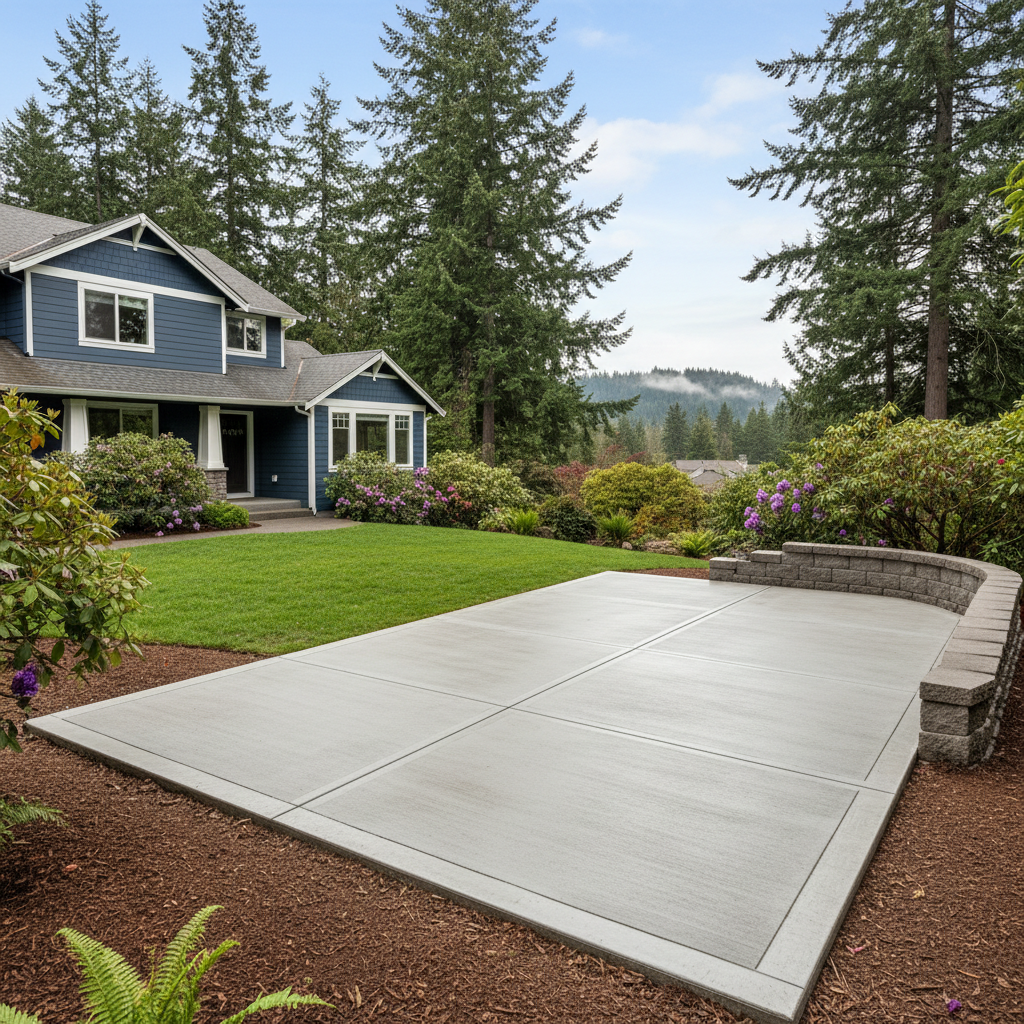
Thinking Price First, Quality Last? Big Mistake.
I get it. Everyone wants a good deal. But when it comes to concrete work, leading with price as your only decision-maker is a surefire way to end up with a mess. I’ve seen it countless times here in Kirkland. Homeowners get a few bids, pick the cheapest one, and then call me a year later asking why their new driveway is cracking or spalling already. Concrete isn't like buying a toaster; it's an investment in your home's structure and curb appeal. You're paying for materials, sure, but you're really paying for expertise, proper site prep, and a crew that knows what they're doing.
A low bid often means corners are being cut. Maybe they're using a thinner slab than recommended for our climate, or they're not doing the necessary sub-base compaction that's crucial for stability, especially with our clay soils in some of the older Kirkland neighborhoods. Sometimes it's about using lower-grade concrete mixes. These things aren't obvious on day one, but they'll show up later, and fixing them will cost you way more than you saved upfront. My advice? Get multiple bids, absolutely, but understand what each bid includes. Ask questions. A reputable contractor won't mind explaining their process and materials.
Ignoring Site Prep – The Foundation of Failure
This ties into the price point, but it's such a critical mistake it deserves its own section. A concrete slab is only as good as what's underneath it. I can't stress this enough. If the ground isn't properly prepared, leveled, and compacted, you're setting yourself up for failure. We get a lot of rain here in the Pacific Northwest, and water management is key. If the sub-base isn't draining correctly, or if there are voids, you'll see settlement, cracking, and eventual breakdown of the slab.
I've walked onto jobs where a previous contractor just poured concrete right over existing grass or loose soil. That's a recipe for disaster. Proper site prep involves excavating to the right depth, ensuring good drainage, laying down and compacting a stable aggregate base, and sometimes even installing rebar or wire mesh for added strength. If a contractor breezes over this part of the conversation or gives you a suspiciously low price for excavation, that's a red flag. Always ask about their site preparation process. It's the unsung hero of a long-lasting concrete project.
Not Checking References or Insurance (A Huge Risk)
You wouldn't hire someone to babysit your kids without checking references, right? So why would you let someone pour thousands of pounds of concrete on your property without doing your homework? This seems like common sense, but you'd be surprised how many homeowners skip this step. First off, make sure they're licensed and insured. Seriously. Ask for proof of both. If a worker gets hurt on your property and they're not insured, guess who's on the hook? You are. That's a risk no one should take.
Beyond that, ask for references. Call them. Ask about the contractor's communication, their timeliness, the quality of their work, and if they stood by their promises. Did they clean up the site properly? Were there any hidden costs? A good contractor, like us at New Look Concrete Solutions, will be proud to share past client contacts. If they hem and haw, or say they