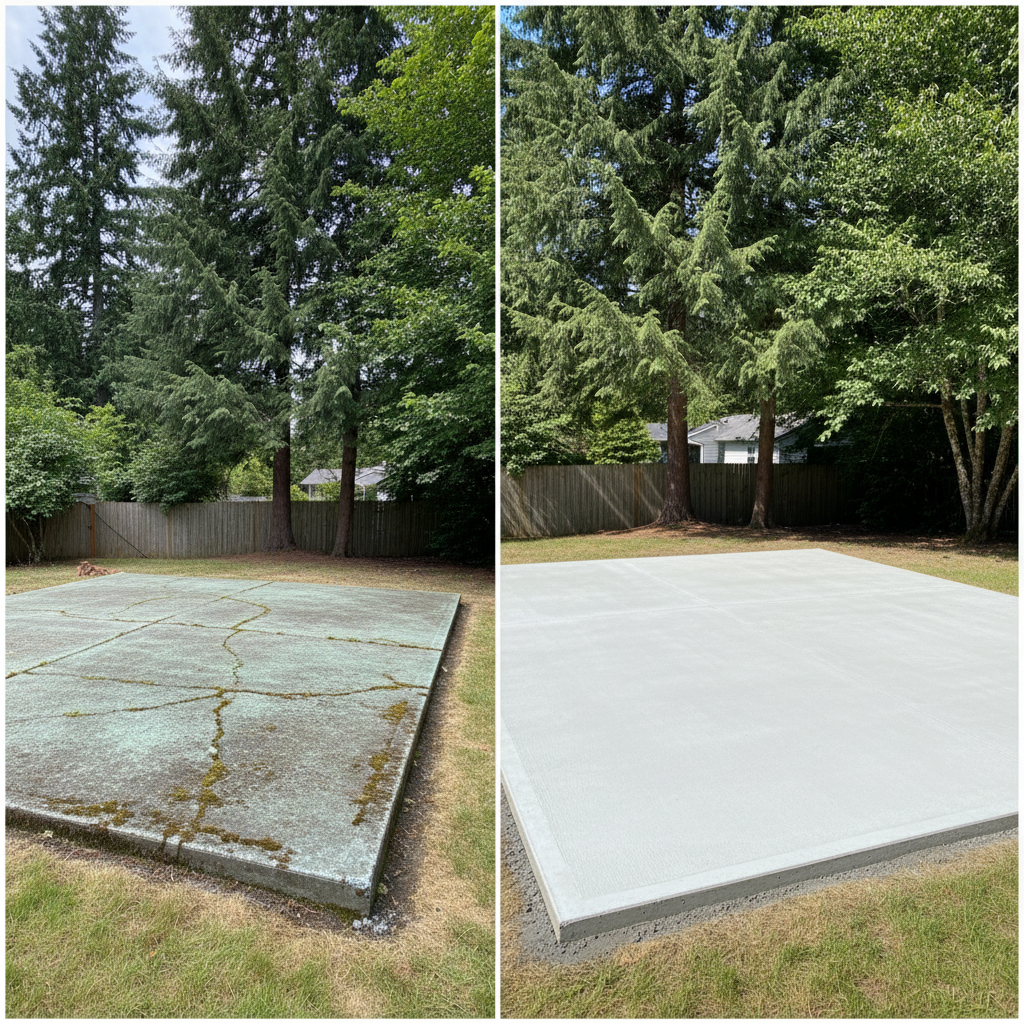
Building a new home or adding an extension here in Kirkland? One of the biggest decisions you'll make — and honestly, one homeowners often overlook until it's too late — is what kind of foundation to use. It's literally what your whole house sits on, so you really want to get it right. Here in the Pacific Northwest, especially with our wet climate and varied terrain, you've generally got two main options for residential construction: a concrete slab-on-grade or a crawl space foundation. Let's dig into what each means for your home, shall we?
Slab-on-Grade Foundations: Simple & Solid
A slab-on-grade foundation is exactly what it sounds like: we pour a thick, reinforced concrete slab directly onto the ground. Before we pour, we carefully prepare the site. This means compacting the soil, laying down a gravel base, and often installing a vapor barrier to protect against moisture. The slab itself usually includes the footings; that means the edges are thicker and extend deeper into the ground for stability.
The Good Stuff (Pros):
- Cost-Effective: Generally, slabs are cheaper to build upfront. There's less digging, fewer materials (no joists, beams, or extensive concrete block walls), and less labor involved compared to a crawl space. This can be a big factor when you're watching your budget.
- Faster Construction: Because it's a simpler process, we can often get a slab foundation poured and cured quicker. That means your overall construction timeline can be shorter.
- Energy Efficiency: A well-insulated slab can be very energy efficient. There's no open space underneath to lose heat, and the thermal mass of the concrete can help regulate indoor temperatures.
- Durability & Pest Resistance: Slabs are incredibly strong and less prone to issues like termites or rodents. Why? Because there's no accessible void underneath. You're building right on solid ground.
The Not-So-Good Stuff (Cons):
- Plumbing & Electrical Access: This is the big one. If you have a plumbing leak or need to run new electrical lines under the house, it means breaking up the concrete. That's disruptive, messy, and expensive.
- Moisture Concerns: While we do use vapor barriers, if they're compromised or if there's poor drainage around the foundation, moisture can still wick up through the concrete. This can lead to flooring issues or mold if not properly addressed during construction.
- Less Flexibility: Want to add a new bathroom or reconfigure your layout down the road? Moving plumbing or electrical embedded in a slab is a major undertaking.
- Cold Floors: Without radiant heating, slab floors can feel cold, especially during our Kirkland winters. You'll definitely want good insulation under that slab.
Crawl Space Foundations: The Accessible Option
A crawl space foundation involves concrete footings and short concrete block or poured concrete walls that raise the house off the ground. This creates a shallow, accessible space between the bottom of your floor joists and the ground. We're talking about enough room to crawl around in, hence the name.
The Good Stuff (Pros):
- Easy Access to Utilities: This is the main advantage. Plumbing, electrical, and HVAC ducts are all easily accessible for repairs, maintenance, or future modifications. If a pipe bursts, it's usually a much simpler fix than with a slab.
- Better Drainage: Raising the house off the ground helps protect against surface water issues, which is a real plus with our frequent rain in places like the Juanita neighborhood.
- Warmer Floors: With proper insulation between the floor joists, crawl spaces generally mean warmer floors inside the house compared to an unheated slab.
- Flexibility for Future: Adding a new bathroom or relocating a kitchen sink is much less of a headache when you can actually get underneath the house.
The Not-So-Good Stuff (Cons):
- Higher Upfront Cost: Crawl spaces typically cost more to build. There's more excavation, more concrete for walls, lumber for floor joists, and more labor.
- Potential for Moisture & Pests: If not properly sealed and ventilated, crawl spaces can become damp. This can lead to mold, mildew, and attracting pests like rodents and insects. Encapsulation (sealing off and conditioning the crawl space) is often recommended, adding to the cost.
- Energy Loss: An uninsulated or poorly insulated crawl space can be a significant source of heat loss, driving up your energy bills.
- Longer Construction Time: More steps and materials mean it generally takes longer to construct a crawl space foundation.
So, Which One for Your Kirkland Home?
Honestly, there's no single